

For Marcus Ericsson, the 2026 IndyCar season was always going to carry extra weight. In a contract year and coming off a frustrating 2025 campaign, the Swede knew that a reset, both mentally and technically, was necessary if he wanted to return to the level that once made him an Indianapolis 500 winner and a consistent championship contender.

Early signs suggest that the work he put in over the winter is paying off.
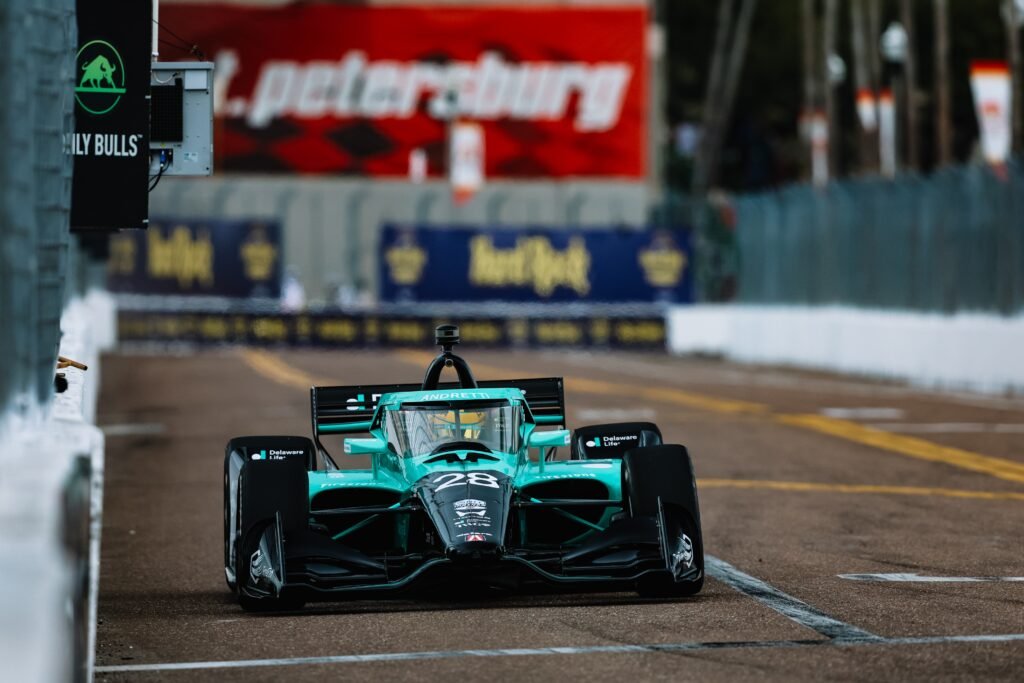
Ericsson’s performances at the opening rounds of the season have shown a clear shift in momentum. At the season opener on the streets of St. Petersburg, he delivered what he described as his most complete weekend since joining Andretti Global, narrowly missing pole position by just two hundredths of a second. That pace carried into the following events as the No. 28 Andretti Honda continued to show strong speed.
For Ericsson, the early results are more than just statistics, they represent the return of something he felt was missing last season.
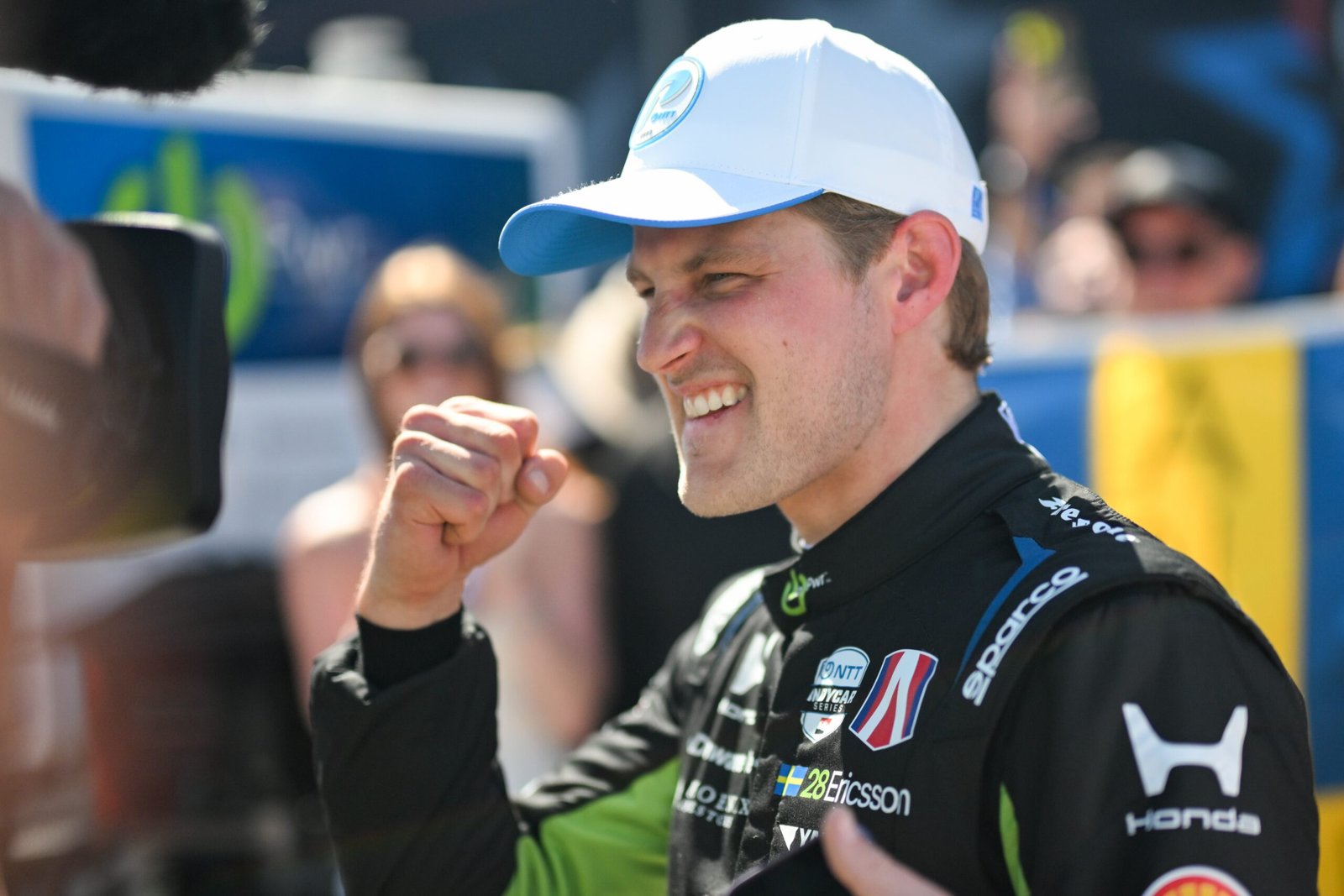
“I didn’t recognize myself last year,” Ericsson admitted after qualifying strongly at Arlington. “I didn’t drive with confidence. I wasn’t aggressive. I was just not myself.”
The admission highlights just how challenging the previous season had been. While Andretti Global remained competitive, Ericsson struggled to consistently extract performance from the car, particularly in the latter part of the year. The lack of results began to affect his mindset behind the wheel.
Rather than accept that decline, Ericsson used the long IndyCar offseason to rebuild.
The Swede dedicated significant time to both physical and mental preparation, while also putting himself back behind the wheel in different types of machinery to regain rhythm and confidence. Driving GT3 cars and experimenting with other racing disciplines helped him reconnect with the enjoyment of driving — something he felt had faded during the difficult stretch of results.
“I put a lot of work in during the off-season,” he explained. “I drove different things, GT3 cars and all kinds of stuff, just to build my confidence again and enjoy driving race cars.”
But Ericsson’s renewed momentum is not solely the result of individual effort. Changes within the No. 28 engineering group have also played a crucial role in the improved form.
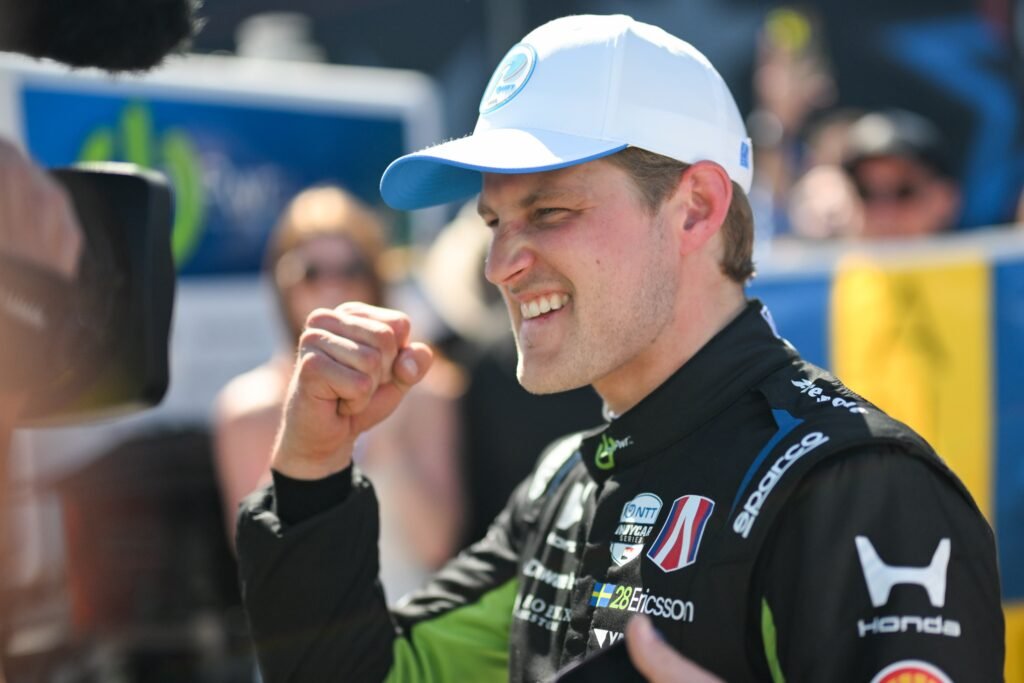
One of the key developments has been the partnership between Ericsson and race engineer Ron Barhorst. The two quickly established a strong working relationship during preseason testing, and the chemistry has already translated into performance gains.
Ericsson believes Barhorst’s approach and determination have helped unlock speed in the Andretti package.
“Ron has come in and done a really good job,” Ericsson said. “We hit it off really well, and testing went really well. He’s been putting a lot of work in.”
That collaboration has already proven valuable during high-pressure moments. During a recent qualifying session, Ericsson initially struggled with an unstable car that was too loose to attack confidently. However, Barhorst and the engineering team made bold adjustments between sessions, changes Ericsson noted are rarely attempted during qualifying, and the car immediately came alive.
The result was a dramatic improvement in pace and a reminder of what Ericsson is capable of when everything aligns.
For the driver, that kind of responsiveness from the team has been crucial in rebuilding trust and confidence.
“There’s a lot of new people there, and they’ve done a really good job getting the car into the window where I can perform at my best,” he said.
Confidence, in fact, has become the central theme of Ericsson’s 2026 campaign so far.
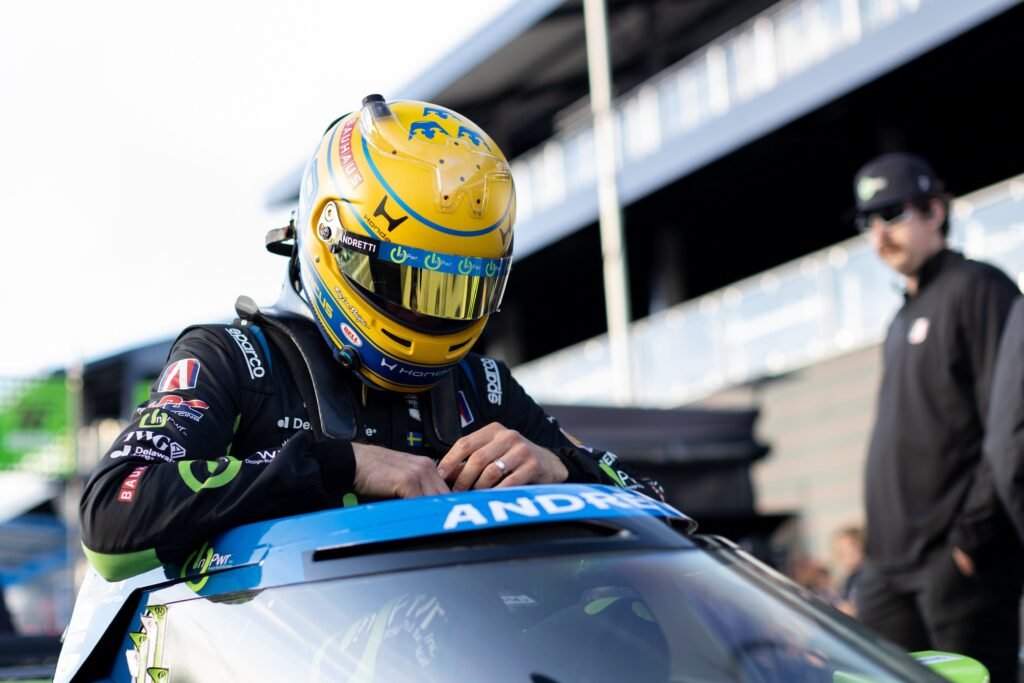
He believes that preparation, mindset and belief all feed into one another, and that the work done behind the scenes ultimately shows itself on track. Entering a race weekend knowing the groundwork has been laid allows him to attack sessions with the aggression that had been missing the previous year.
“It comes down to hard work and preparation,” Ericsson explained. “When you know you’ve put in a ton of work physically, mentally and with the team, that gives you confidence when you go out on track.”
The early races of the season suggest that this approach is beginning to bear fruit. The pace shown in St. Petersburg and subsequent rounds indicates that Ericsson could re-establish himself as a regular front-runner within Andretti’s lineup.
That resurgence would come at a crucial moment.
With his contract situation making 2026 a pivotal year for his future, Ericsson understands that consistent performances will be key. Strong results not only strengthen his standing within the team but also reinforce his reputation across the paddock as one of IndyCar’s most experienced and reliable drivers.
Still, despite the encouraging start, Ericsson remains cautious about drawing conclusions too early.
“It’s just the start of the season,” he said. “But hard work pays off, and I feel like I’ve put the work in.”
For now, the focus remains simple: maintain momentum, keep building confidence, and continue turning preparation into results.
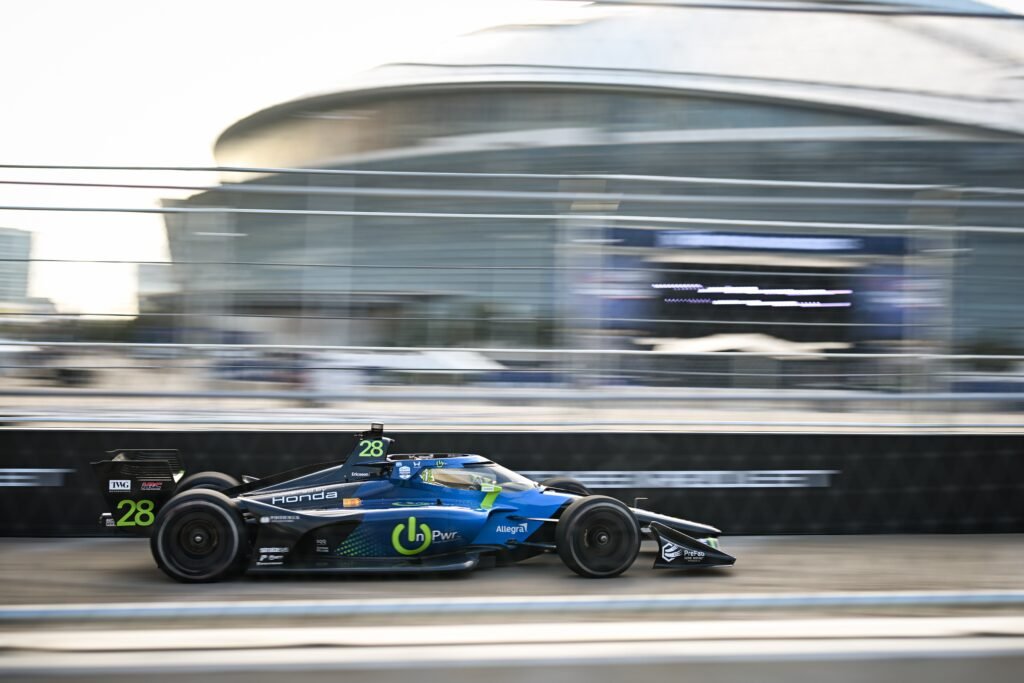
If the opening races are any indication, Marcus Ericsson may be entering one of the most important, and potentially rewarding, seasons of his IndyCar career.
written by Philipp Kraus // Media Credit: Penske Entertainment