

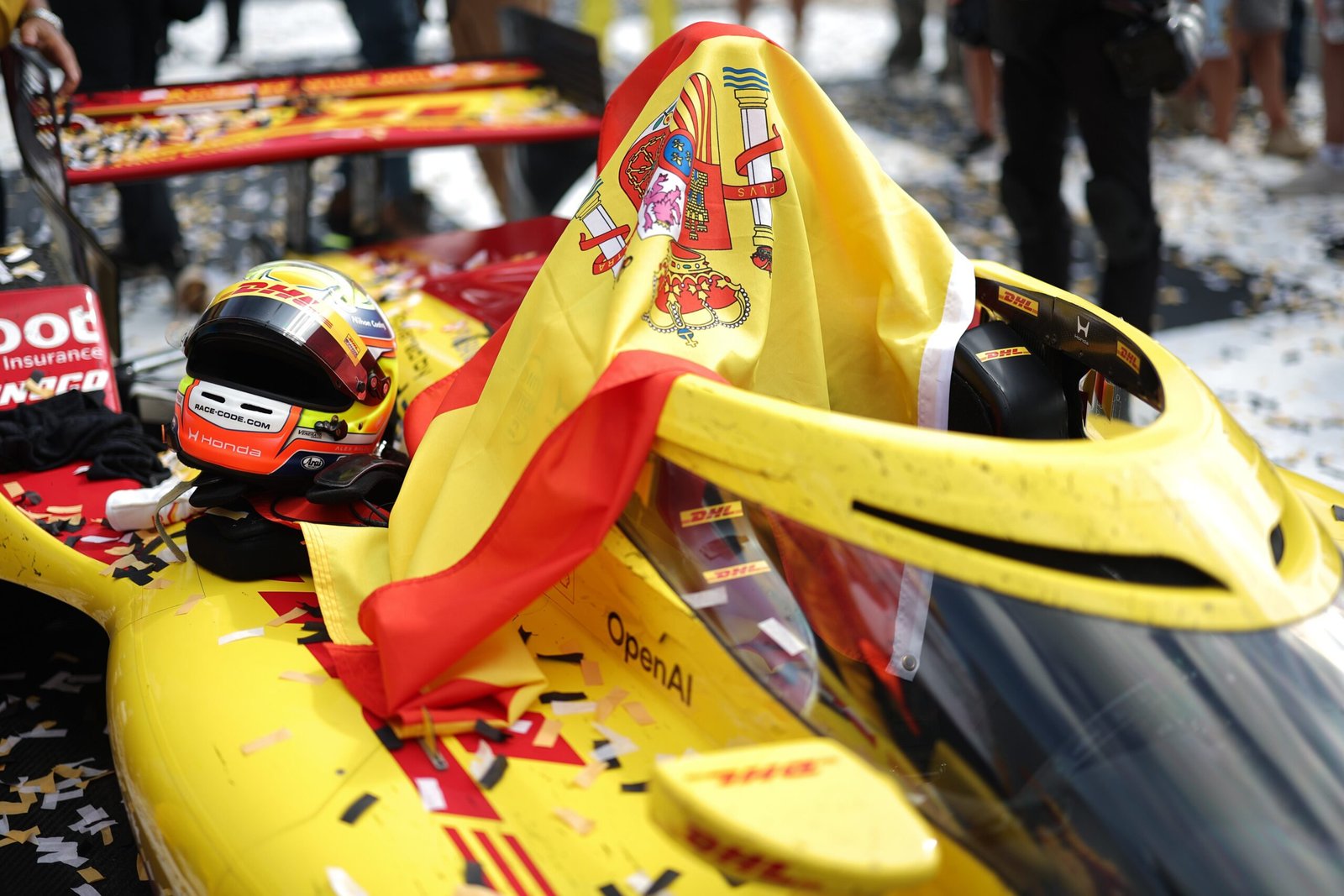
The NTT IndyCar Series is heading to Spain in 2027, with the Circuit de Barcelona-Catalunya set to host the championship’s long-awaited return to Europe. The addition represents an important step in IndyCar’s international expansion and will give five-time champion Alex Palou the opportunity to compete in front of his home crowd.

After years of discussions about expanding beyond North America, IndyCar is finally bringing its championship back to Europe. The series will visit the Circuit de Barcelona-Catalunya in 2027, adding one of Europe’s most established racing venues to a calendar that has remained largely focused on the United States and Canada for more than a decade.
The announcement marks an important development for American open-wheel racing, particularly at a time when international interest in motorsport continues to grow. While IndyCar has built a loyal audience through its traditional events, including the Indianapolis 500, Long Beach and Road America, opportunities for fans outside North America to experience the championship in person have been extremely limited in recent years.
Barcelona could help change that. The Spanish circuit already has extensive experience hosting major international racing events, and its location makes it relatively accessible for fans travelling from across Europe. With Alex Palou also coming from the Barcelona region, the championship has a particularly strong connection to the area as it prepares for its first race in Spain.
IndyCar’s Return to Europe Has Been a Long Time Coming
International racing has played an important role in the history of American open-wheel motorsport, even if it has become less common in recent years. Previous generations of the championship competed in countries including Japan, Australia, Germany, the United Kingdom and Brazil, demonstrating that there has long been interest in American-style single-seater racing outside its traditional home market.
However, the modern IndyCar Series has not held a championship race outside North America since visiting São Paulo in 2013. Europe has been absent for even longer, with the last major Champ Car events on the continent taking place at Zolder and Assen in 2007.
That makes the Barcelona announcement particularly significant. It gives IndyCar an opportunity to reconnect with a European audience that has continued to follow the championship despite the geographical distance and often inconvenient broadcast times.
For many fans in Europe, watching IndyCar means staying awake late into the evening or early morning, depending on where a race takes place. Although that hasn’t prevented the series from developing a dedicated international following, having an event in Europe provides a much more direct connection to the championship.
Fans who have previously experienced IndyCar only through television broadcasts and social media will now have the chance to attend a race weekend, see the cars up close and experience the atmosphere of the paddock without having to travel to the United States.
From the championship’s perspective, that opportunity could prove just as valuable as the race itself. Introducing the series to new audiences is an important part of long-term growth, and there are few better ways to generate interest than allowing people to experience the racing firsthand.
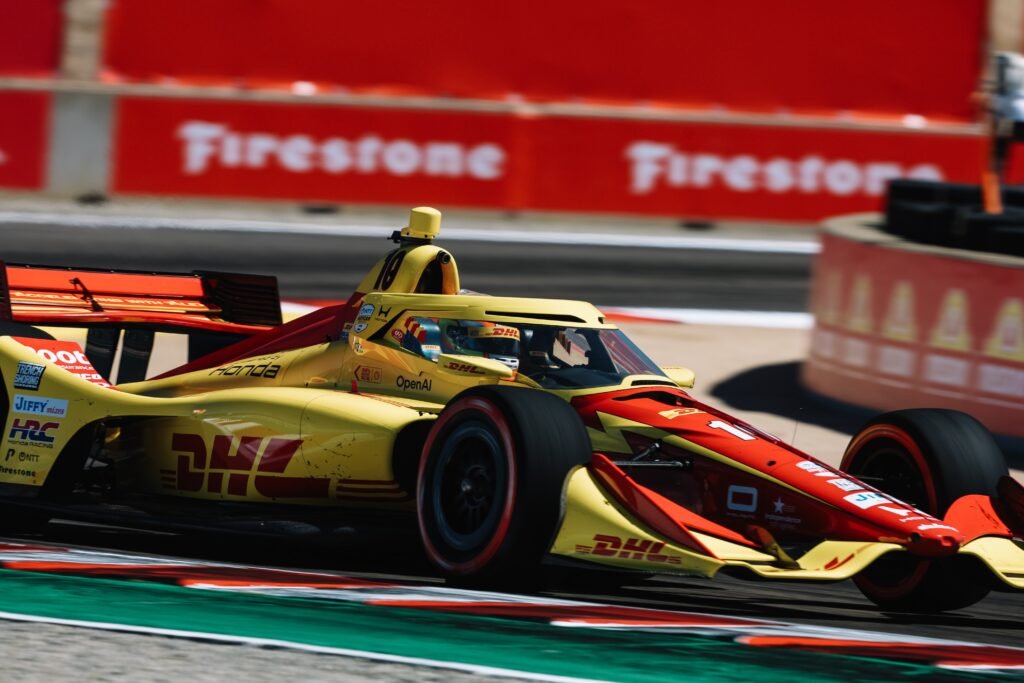
One of the biggest stories surrounding the Barcelona event is undoubtedly Alex Palou, whose success has made him one of the most recognizable figures in modern IndyCar racing.
The Chip Ganassi Racing driver has won five IndyCar championships and established himself as the dominant force in the series over recent seasons. Despite those achievements, he has never had the opportunity to compete in an IndyCar race in his home country, making the addition of Barcelona particularly meaningful.
Palou grew up in Sant Antoni de Vilamajor, a town located near the Circuit de Barcelona-Catalunya, and the track has been part of the motorsport environment surrounding his career from an early age. Racing there in an IndyCar will therefore be a very different experience from competing at the American circuits where he has enjoyed so much success.
His presence could also play an important role in attracting Spanish spectators to the event. Although Formula 1 and MotoGP have traditionally received considerably more attention in Spain, Palou’s achievements have given local motorsport fans a strong reason to take an interest in IndyCar.
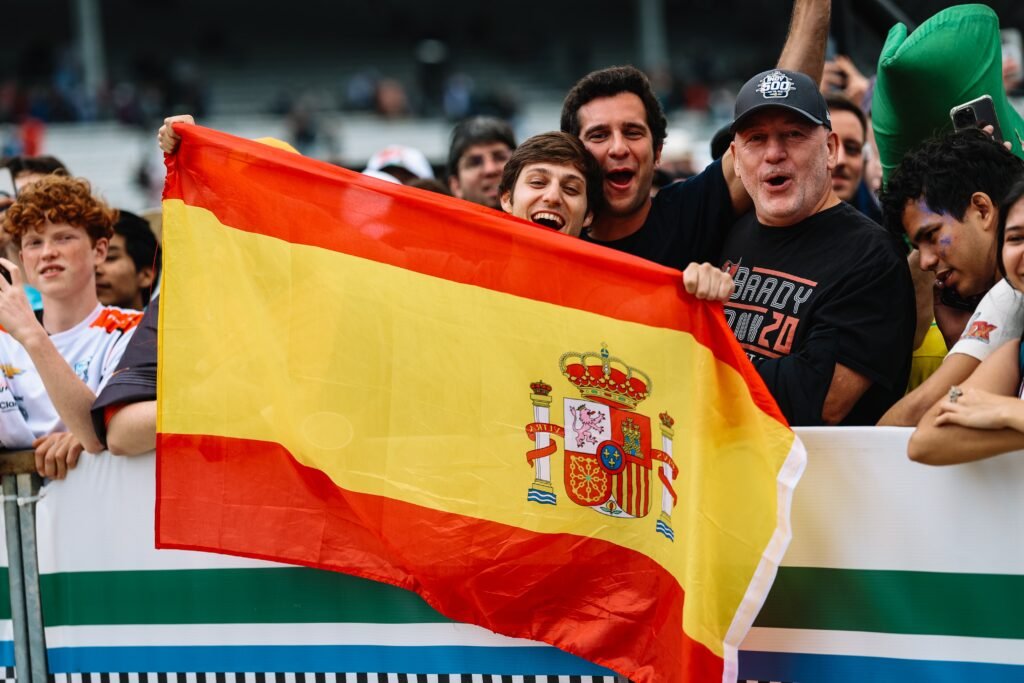
Having a five-time champion competing in front of his home crowd creates an obvious storyline for the event, especially for spectators who may be attending their first IndyCar race. It also provides the championship with an opportunity to introduce its drivers, teams and racing format to a wider Spanish audience.
For Palou himself, the race will be another significant moment in an already remarkable career, while for IndyCar it offers an opportunity to build an international event around one of the biggest names in the championship.
“I’m so excited to be part of IndyCar’s first race in Barcelona,” Palou said. “It is an amazing opportunity, and it means so much to me to have a race at home in Barcelona, it’s hard to put into words. I know the fans are going to love it, and I think we are going to put on a great show. We’re going to try hard with the team at Chip Ganassi Racing to bring home the trophy in July.”
Why the Circuit de Barcelona-Catalunya Makes Sense for IndyCar
Choosing Barcelona as the location for IndyCar’s European return is a logical decision from both a sporting and organizational perspective.
The Circuit de Barcelona-Catalunya, located in Montmeló just outside Barcelona, has hosted international motorsport for decades and is particularly well known for its association with Formula 1 and MotoGP. Its established facilities, experienced event organizers and existing infrastructure make it a suitable venue for a championship facing the considerable logistical challenge of transporting teams and equipment across the Atlantic.
The circuit also offers a different challenge from many of the tracks that regularly feature on the IndyCar calendar. While the championship is known for its mixture of permanent road courses, street circuits and ovals, Barcelona is a traditional European racing venue with a combination of high-speed corners, technical sections and heavy braking zones.
That variety should make the event interesting for drivers and engineers, particularly as teams work to understand how their cars perform at a circuit that has not previously hosted the modern IndyCar Series.
Barcelona’s accessibility is another advantage. The city has an international airport, extensive accommodation options and strong transport connections with other parts of Europe, making it a realistic destination for fans travelling from countries such as France, Germany, Italy and the Netherlands.
Those factors are important because the success of an international race depends on more than the action on track. Organizers also need to create an event that attracts spectators, appeals to commercial partners and remains financially sustainable over the longer term.
Barcelona’s Formula 1 Rotation Creates an Interesting Opportunity
The timing of IndyCar’s arrival is particularly interesting because the Circuit de Barcelona-Catalunya will not host a Formula 1 Grand Prix in 2027 under its rotation arrangement with Spa-Francorchamps.
Barcelona is scheduled to return to the Formula 1 calendar in 2028, 2030 and 2032, creating opportunities for the circuit to attract other major international championships during the intervening years.
For the venue, bringing IndyCar to Spain provides an opportunity to maintain a prominent single-seater event in a season without Formula 1. For IndyCar, it means entering a market with an established interest in motorsport and a circuit that already has experience attracting large international audiences.
There is also an opportunity to introduce a different form of racing to spectators who may be more familiar with Formula 1.
Although both championships feature open-wheel cars and some of the world’s most talented drivers, they offer noticeably different racing experiences. IndyCar uses a more standardized technical platform and places its competitors on a wider variety of circuit types, creating a championship in which adapting to different conditions and racing disciplines is particularly important.
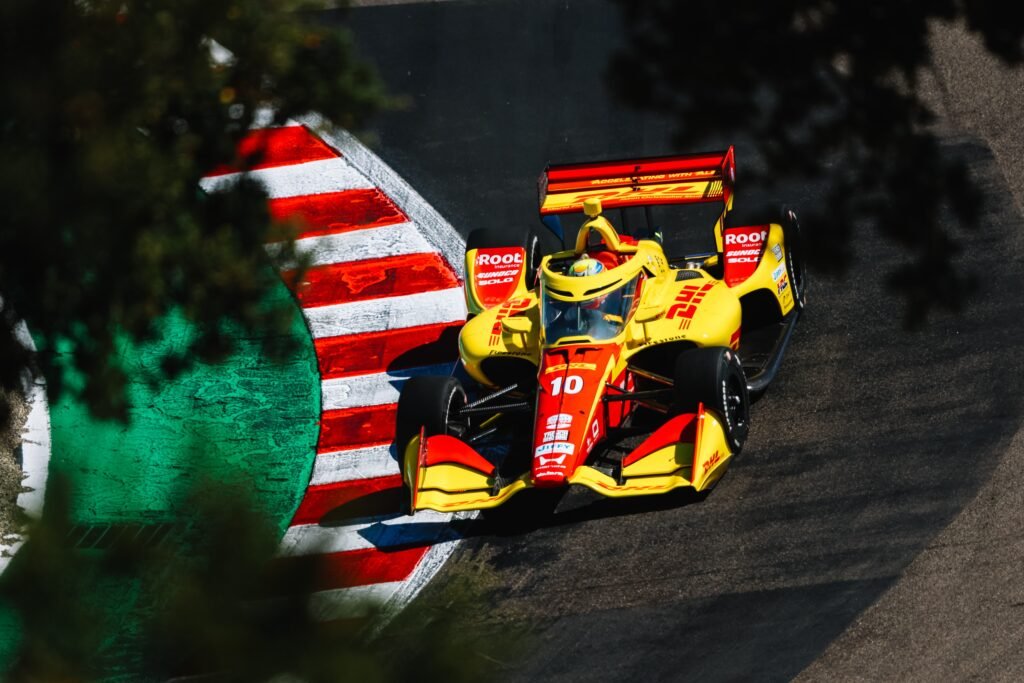
The series also has its own traditions, from the Indianapolis 500 to the demanding street races that have become fixtures on its calendar. Bringing those characteristics to Barcelona could help European spectators develop a better understanding of what makes IndyCar worth following.
The objective shouldn’t be to compete directly with Formula 1 for the same identity or audience. Instead, Barcelona gives IndyCar a chance to establish itself as another major racing championship that offers something different.
Why Racing in Europe Is Important for IndyCar’s Future
IndyCar has a strong foundation in North America, where many of its most recognizable events have been established for decades. The Indianapolis 500 remains one of the biggest races in world motorsport, while venues such as Long Beach, Road America and St. Petersburg continue to attract passionate crowds.
Maintaining those traditions is essential to the championship’s identity, but there is also considerable potential for growth beyond its existing markets.
Over the past decade, motorsport has become increasingly international, with digital platforms and social media making it easier for fans to follow championships from other parts of the world. IndyCar has benefited from that development, particularly through the presence of international drivers, but its calendar has offered relatively few opportunities to build stronger relationships with audiences outside North America.
A European race can help address that limitation by giving the championship greater visibility in a region where motorsport already enjoys a substantial following. It also creates opportunities for new commercial partnerships, additional media coverage and stronger relationships with fans who may previously have had little direct contact with the series.
Importantly, international expansion does not need to come at the expense of IndyCar’s American identity. The championship’s combination of road courses, street circuits and ovals remains one of its defining characteristics, and adding selected international events would allow the series to reach new audiences while preserving that variety.
Barcelona is therefore an opportunity to test how effectively IndyCar can expand into another major motorsport market without fundamentally changing the championship that existing fans enjoy.
“This is a monumental day for our sport,” Penske Entertainment Corp. President and CEO Mark Miles said. “We are pleased to be able to take our ultra-competitive brand of wheel-to-wheel racing to Europe and thrilled that we can showcase IndyCar in Alex Palou’s hometown. We have seen Alex’s remarkable skill and talent for several years and know his fans in Spain have been clamoring to watch him race in person. We cannot wait to see IndyCar compete at one of the world’s most recognizable motorsports venues set against the backdrop of a very historic and breathtaking international destination like Barcelona.”
The Barcelona race is also welcome news for the growing number of European fans who follow IndyCar throughout the season.
The championship has developed connections with several European countries through drivers such as Alex Palou, Christian Lundgaard and Marcus Ericsson, while Mick Schumacher’s move into American open-wheel racing has provided another reason for German motorsport fans to pay attention.
Despite that international representation, attending an IndyCar race has generally required European supporters to travel to North America. The cost and time involved have made that unrealistic for many fans, even those who follow the championship closely.
Barcelona will make the experience considerably more accessible. Supporters from across Europe will be able to combine a race weekend with a relatively straightforward trip to Spain, potentially introducing the championship to people who would never have considered travelling to Indianapolis or another American venue.
There is also something valuable about experiencing a racing series in person for the first time. Television coverage can show the competition and provide insight into the teams, but attending a race offers a much better appreciation of the cars, the atmosphere and the work taking place throughout the weekend.
For IndyCar, attracting spectators who are unfamiliar with the championship could be particularly important. A successful event would not only reward existing European fans but also give the series a chance to establish relationships with new ones.
Could Barcelona Lead to More IndyCar Races in Europe?
The addition of Barcelona naturally raises questions about whether IndyCar could eventually expand to other European venues.
There are several countries with strong motorsport traditions and established circuits that could potentially accommodate an international single-seater championship. Germany and the United Kingdom, in particular, have long histories in American open-wheel racing, while other European markets could also offer opportunities depending on commercial interest and available infrastructure.
However, organizing races outside North America comes with significant financial and logistical challenges. Transporting cars, spare parts, technical equipment and personnel overseas requires extensive planning, and the additional costs must be justified by the commercial benefits of each event.
“The arrival of IndyCar is a major milestone and an exciting challenge for the Circuit de Barcelona-Catalunya,” Chairman of the Board of Fira de Barcelona and Fira Circuit Pau Relat said. “Bringing one of the most prestigious and spectacular championships in global motorsport to our venue strengthens our international positioning, connects us with new audiences and markets, and reinforces our strategy of diversifying the circuit’s activity through world-class events. We are working with a long-term vision to make IndyCar Grand Prix of Barcelona a benchmark event on the international racing calendar for years to come.”
For that reason, Barcelona’s first race will be an important opportunity to evaluate whether a more regular European presence makes sense for IndyCar.
Attendance figures, sponsorship interest, broadcast exposure and feedback from teams will all help determine how successful the event is and whether similar opportunities could be explored in the future.
It would be premature to assume that one new race will lead to a major expansion of the calendar, but establishing a successful event in Spain would certainly strengthen the case for considering other international venues.
The priority should be making Barcelona a sustainable addition rather than expanding too quickly. If the event develops a loyal audience and proves commercially viable, it could become an important part of IndyCar’s long-term international strategy.
IndyCar’s return to Europe in 2027 is an encouraging development for a championship that has spent much of the past decade concentrating on its established North American markets.
Barcelona offers several advantages, from its experienced circuit infrastructure and accessibility for European spectators to the strong local connection provided by Alex Palou. It also gives the series an opportunity to introduce its distinctive style of racing to an audience that may already be familiar with international motorsport but has never attended an IndyCar event.
There are still important challenges to overcome, particularly when it comes to the costs and logistics of racing overseas. A successful international event requires long-term planning, commercial support and enough spectator interest to justify its place on the calendar.
Nevertheless, the decision to race in Spain represents a positive step for the championship. IndyCar has a product that deserves international attention, with competitive racing, talented drivers and a variety of circuits that few other major single-seater series can match.
Bringing that experience to Europe gives the championship an opportunity to reach fans who have followed it from a distance for years, while also introducing American open-wheel racing to a new generation of spectators.
If Barcelona proves successful, it could become more than just another stop on the IndyCar calendar. It could help establish a stronger international presence for the series and demonstrate that there is meaningful demand for IndyCar racing beyond North America.
For now, the prospect of seeing IndyCar compete in Europe again is an exciting one, and Barcelona looks like a promising place to begin that next chapter.
written by Philipp Kraus // Media Credit: Penske Entertainment