

After 17 years away, IndyCar is returning to Kansas Speedway in 2027. The addition of another high-speed oval is more than just an expansion of the calendar, it reinforces one of the most important characteristics of American open-wheel racing.

IndyCar officially announced on November 24 that Kansas Speedway will return to the championship in 2027. The race will take place on Saturday, May 8, as part of a shared weekend with NASCAR in partnership with FOX Sports, expanding the upcoming season to 18 races. The 1.5-mile oval hosted IndyCar annually between 2001 and 2010, producing some of the closest finishes in series history. Scott Dixon remains the most recent winner at the venue, having claimed consecutive victories in 2009 and 2010. While returning to a historic venue is exciting in itself, the addition of Kansas represents a particularly positive development for a championship looking to grow without losing its traditional identity.
Why IndyCar Needs More Oval Racing
One of IndyCar’s greatest strengths is the diversity of its calendar. Drivers are required to compete on technical road courses, challenging street circuits, short ovals and high-speed superspeedways throughout a single season. Few other motorsport championships demand such a broad range of abilities from their drivers.
Oval racing is a fundamental part of what makes IndyCar different. Managing turbulent air, navigating traffic at high speeds, understanding tire degradation and finding opportunities to overtake require a completely different approach compared to racing on a conventional road course. While the Indianapolis 500 remains the centerpiece of the championship, IndyCar’s oval racing identity should extend well beyond its biggest event. Adding Kansas provides another opportunity for drivers and teams to demonstrate their abilities on a high-speed oval while creating a more balanced and demanding championship.
Kansas also has a history of delivering exceptional racing. In 2004, Buddy Rice defeated teammate Vitor Meira by just 0.0051 seconds, while Tony Kanaan beat Dan Wheldon by 0.012 seconds the following year. Both remain among the ten closest finishes in series history. Although the current generation of IndyCars presents different aerodynamic challenges, the circuit’s history makes its return particularly exciting.
Ahead of the official announcement, IndyCar conducted an aerodynamic validation test at Kansas Speedway on November 20. Arrow McLaren’s Pato O’Ward and Andretti Global’s Will Power completed a combined 257 laps, marking the first appearance of the current IndyCar chassis at the venue.
O’Ward was encouraged by the progress made during the test and compared the characteristics of Kansas to two familiar superspeedways: “Overall, it reminded me of a mix between Texas Motor Speedway and Nashville (Superspeedway), two great tracks for the IndyCar series”.
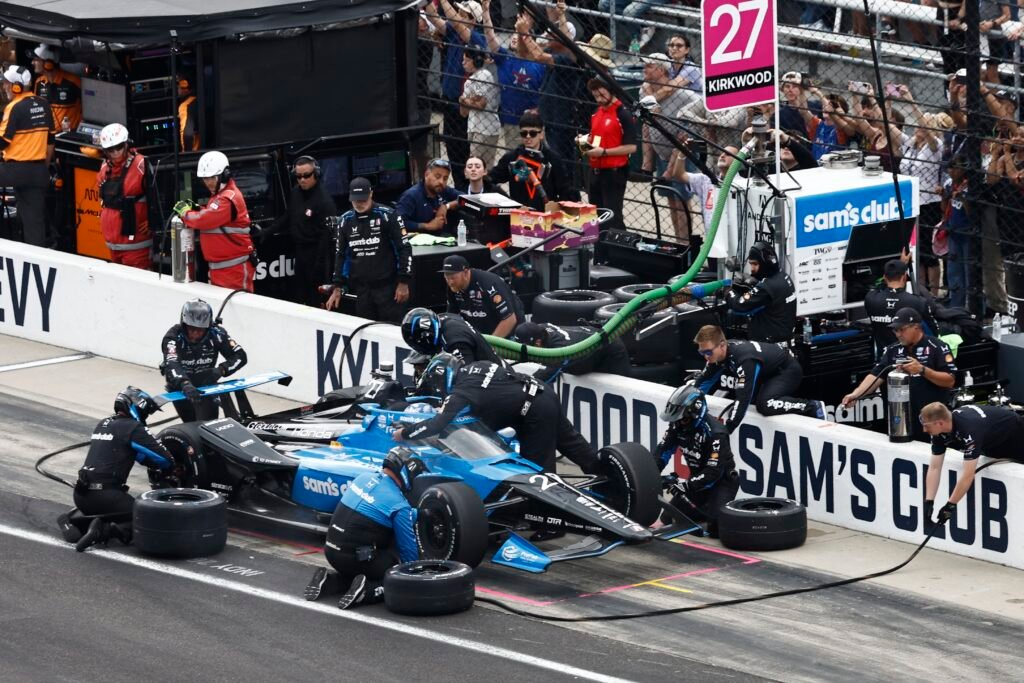
Power also expressed his excitement about returning to a circuit known for producing competitive oval racing: “The test was a nice preview of what’s to come. I can’t wait to get back to Kansas and put on a great race.”
The initial feedback is promising, although finding the right aerodynamic configuration will be crucial. The success of the event will ultimately depend on how well the cars can follow and race each other when the entire field takes to the track in May.
The NASCAR Partnership Could Help Rebuild IndyCar’s Oval Presence
One of the biggest challenges facing IndyCar when adding oval races is ensuring their long-term commercial sustainability. A circuit can produce excellent racing, but without sufficient attendance, sponsorship and promotional support, keeping an event on the calendar becomes difficult. Sharing the Kansas weekend with NASCAR could help address some of those challenges. With an established motorsport audience already attending the event, IndyCar has an opportunity to introduce its product to fans who might not otherwise watch an open-wheel race.
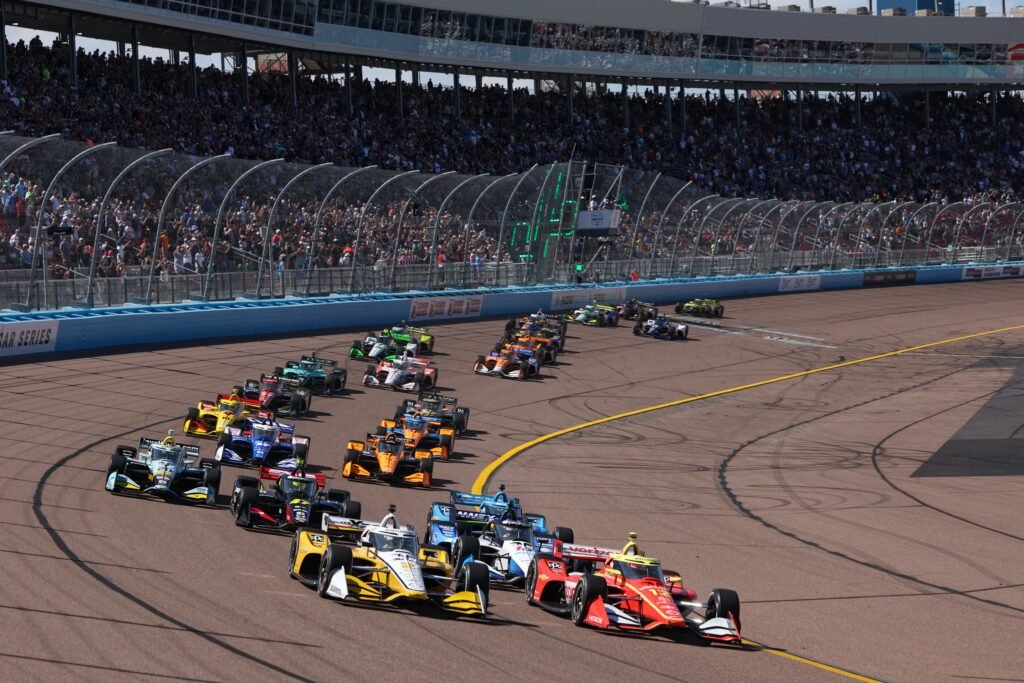
The involvement of FOX Sports also creates opportunities for cross-promotion between the two championships. Following the return to Phoenix Raceway in March, Kansas will become the second shared oval racing weekend with NASCAR in 2027. While IndyCar should continue to maintain its own standalone events, these partnerships could provide a realistic way of bringing more oval venues back to the championship. If Phoenix and Kansas prove successful, they could strengthen the case for similar events elsewhere in the future.
The timing of the Kansas race makes its return even more interesting. Taking place on May 8, it will be followed by the Sonsio Grand Prix at Indianapolis on May 15 and the 111th Indianapolis 500 on May 30. Having another superspeedway race before the Indianapolis 500 gives drivers valuable experience racing at high speeds in traffic. This could be particularly beneficial for rookies, who often enter IndyCar with limited experience on larger ovals.
Although Kansas and Indianapolis require different setups and driving approaches, competitive superspeedway racing offers a learning opportunity that cannot be fully replicated during testing. The addition also creates a more exciting buildup to the Indianapolis 500, giving fans another major oval event to follow during the Month of May.
IndyCar Can Grow Without Losing Its Identity
With Barcelona joining the calendar and both Phoenix and Kansas returning in 2027, IndyCar is expanding in different directions. The championship is exploring international opportunities while simultaneously strengthening its traditional oval racing presence in North America. These developments should complement each other rather than compete for space on the calendar. International expansion can introduce IndyCar to new audiences, while oval racing remains one of the characteristics that makes the championship so appealing and distinctive in the first place.
Of course, adding more ovals alone does not guarantee success. The events need to attract spectators, deliver competitive racing and establish themselves as financially sustainable additions to the schedule. Kansas represents an encouraging opportunity to achieve exactly that. If the racing lives up to expectations and the partnership with NASCAR proves successful, its return could become an important step toward rebuilding IndyCar’s oval racing presence.
IndyCar does not need to become an oval-only championship, but it should continue to embrace the diversity that makes it unique. Bringing back Kansas Speedway is a welcome step in that direction.
written by Philipp Kraus // Media Credit: Penske Entertainment