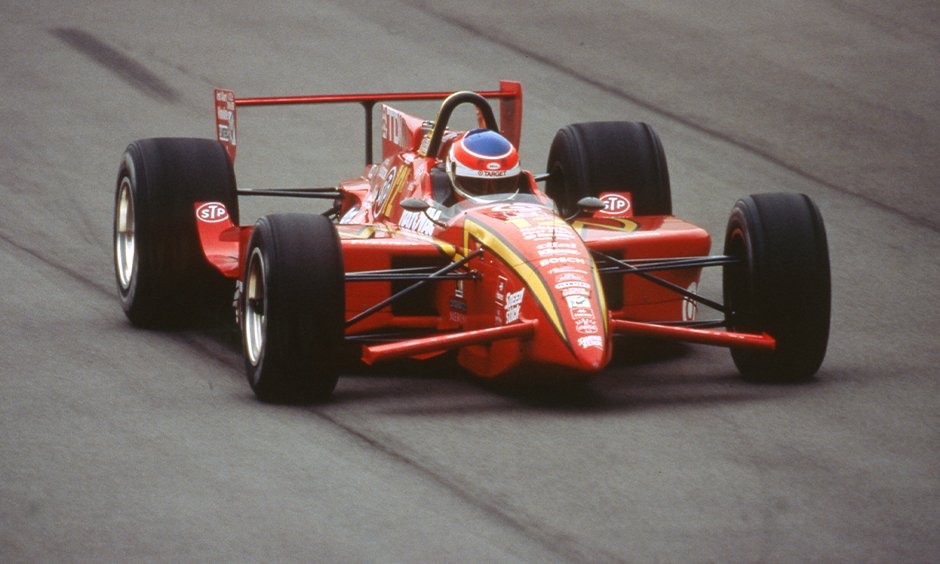


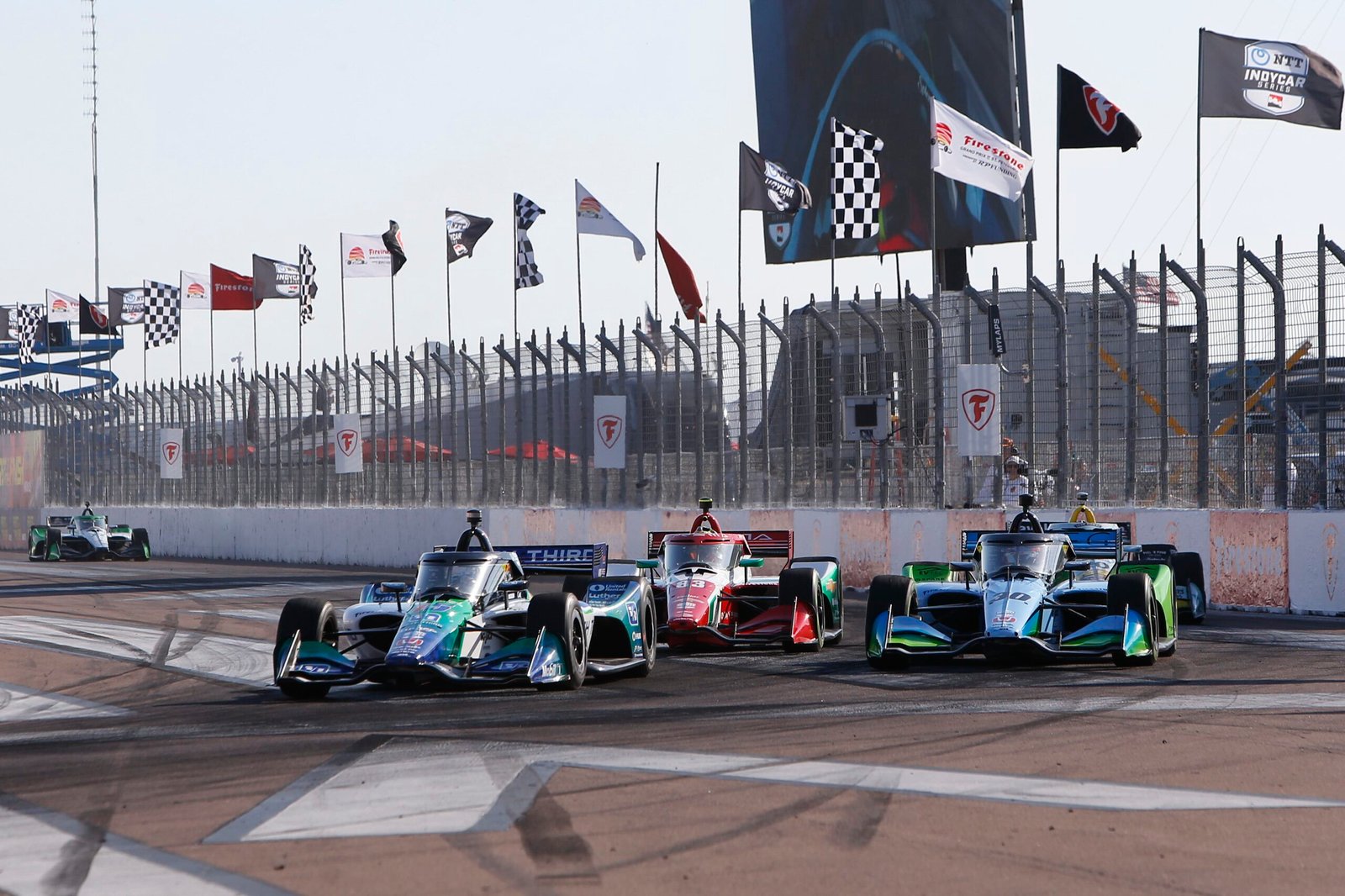
IndyCar has raced on a variety of tracks, most of them on U.S. soil, but there were some exceptions, like the famous Motegi. Today we will take a look at 15 tracks that I think would be fun to race at.

Silverstone (Great Britain) :
Silverstone is a staple of motorsport, and its location at the heart of England makes for interesting and often unpredictable weather. But even without the rain, it has proved to be capable of providing thrilling wheel-to-wheel action, high-speed corners that challenge driver bravery, and a passionate fanbase that brings the grandstands to life. With its rich history in Formula 1 and other series, imagining an IndyCar round at Silverstone, perhaps on the Grand Prix or even the shorter International layout, opens the door to an exciting blend of tradition and American racing flair.
Albert Park (Australia) :
This fast-paced semi-permanent racetrack in the heart of Melbourne has been the home of 30 F1 races since its inauguration in 1996. Its width, due to its semi-permanent nature, allows room for error and overtakes. However, the area along the Lakeside Curve, between turns 10 and 11 will make it feel like a real race track with walls as close as can be. In 30 years in F1 the track has provided exciting races and a safety car or full course yellow is almost guaranteed every year.
Autódromo Internacional do Algarve (Portugal) :
This modern racetrack set in the south of Portugal merely 12 miles from the ocean is famous for its elevation changes. This unique undulation gives it personality, which coupled to a nice width, sufficient for good overtaking, can transform a roller coaster ride into an exciting race. The IndyCar field will need some time adjusting if they ever race here, but this circuit has the potential to deliver some classics.
Interlagos (Brazil) :
Beyond the exciting races that this track could provide given its roller coaster like layout and the risks of rain every year, Interlagos would be a pretty smart move for IndyCar. The series is immensely popular in South America and Brazil often produces drivers in the Road to Indy program, Caio Collet being the last one. Organizing a race there would bring huge turnout to a promising race. Speed, [] & unpredictability are the key words here in Interlagos.
Monza (Italy) :
The Temple of Speed is the perfect mix between the ovals and permanent tracks that shape the IndyCar calendar. 80 % of the lap is completed at full throttle so low downforce is a must. However the 6 corner complexes offer room for divebombs and overtakes of all kinds, especially the Rettifilo Chicane, at the end of the main straight. The push to pass system is guaranteed to work miracles here, to provide even more spectacle.
Spa-Francorchamps (Belgium) :
Another fast-paced track on this list but the Belgian classic also has its share of slow paced corners. Here rain is almost guaranteed to fall, at any time of the year, and chaos is as certain as spectacle. Home to some of the best F1 races ever, the Ardennes circuit never disappoints.
Circuit Gilles Villeneuve (Canada) :
This semi-permanent circuit built on an island in Montréal is known for its speed, and for its (very) close walls. Your race here can go from wonder to disaster with the tiniest of mistakes. An unforgiving track yet it has proven to be a superb ground for overtakes and never-ending battles. One of the most logical and coherent choices, should IndyCar further extend abroad or replace Toronto.

Kyalami (South Africa) :
Maybe the most old school track here. It isn’t very wide nor fast. It wasn’t designed with overtakes or delirious speeds in mind. It is a circuit like they don’t make anymore, with a delicious nostalgic feeling. The current layout, although revised and resurfaced, has barely changed since the last F1 race in 1993.
Motegi (Japan) :
It is one of three tracks here that have already featured on an IndyCar calendar, in one the series’ rare ventures outside the USA. Although in all but one race the oval was used, I will here focus on the road course. Used only in the last race in 2011, it is an interesting layout with twists, tight turns and long straights. Maybe not the most overtake prone track but it could still prove to be a fun track to race at.
Zandvoort (Netherlands) :
This Dutch classic is as close as you can get to an oval in a road course shape. Known for its banked curves and speedy sections, I believe this track is very suitable for the kind of racing IndyCar offers. Moreover drivers and fans alike would have a blast should a race be held here.
Marina Bay (Singapore) :
Yet another street circuit but this one has a particular feeling to it. Indeed, racing under the many lights of the Garden City’s streets always feels special. The temperatures and humidity make this race a particularly tall ordeal, one not many drivers are accustomed to. But the challenge is what makes this track interesting. On the outside it looks like an easy one given its width but make no mistake, mastering it is tricky and we’re always on for a safety car or a full course yellow to shake things up.
Fuji (Japan) :
Another Japanese track here, property of Honda’s arch rivals, Toyota. Famous for its yearly WEC race and its 2 F1 appearances Fuji is located right under the mountain of the same name, in beautiful scenery. It is a short but varied layout with a lengthy main straight, 2 fast sectors and a slow and twisty sector 3. Overall, a circuit where it’s difficult to put in the perfect lap which gives plenty of battle opportunities.
Surfers Paradise (Australia) :
The second of the former IndyCar venues on this list, it’s a shame we don’t see this track anymore. A proper IndyCar street circuit, with tight bends and walls as close as possible. Today, only V8 Supercars continue to roar in the streets of Gold Coast, but a revival on the IndyCar event would be welcome and it makes no doubt that seeing the mighty single seaters speed between the walls once again, especially through that first chicane, would bring countless fans in the stands.
İstanbul Park (Türkiye) :
Once a staple of the F1 calendar, it now is relegated to bench warmer, in case a race gets dropped. It’s a shame because it’s an interesting track, especially its quadruple left hander. Home to classics it is a track where overtaking is fairly easy and battles can go on for several corners side by side.

Autodromo Hermanos Rodriguez (Mexico) :
If there was one race to pick out of this list to be the next one on IndyCar’s calendar, it has to be this one. It would be the choice that makes the most sense. Motorsport is huge in Mexico and Mexicans wouldn’t need much convincing to attend, given the immense popularity of Pato O’Ward there. Moreover, the country is a huge market for both Honda and Chevrolet. On top of the commercial argument, the Autodromo is able to deliver some intense racing, with big braking zones for crazy divebombs and long straights for even crazier top speeds. It is such a reasonable choice for the first step in IndyCar’s expansion that talks have intensified recently over the feasibility of a race down there (or up there given the height of the track – 2,238 m above sea level).
So where should IndyCar go next? Let us know your picks, and maybe one day, we’ll see IndyCar cars roaring down Hangar Straight or charging into Eau Rouge…
written by Mathurin Viguier // Media Credit: Penske Entertainment