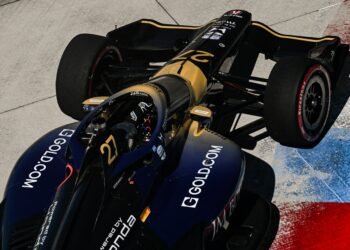


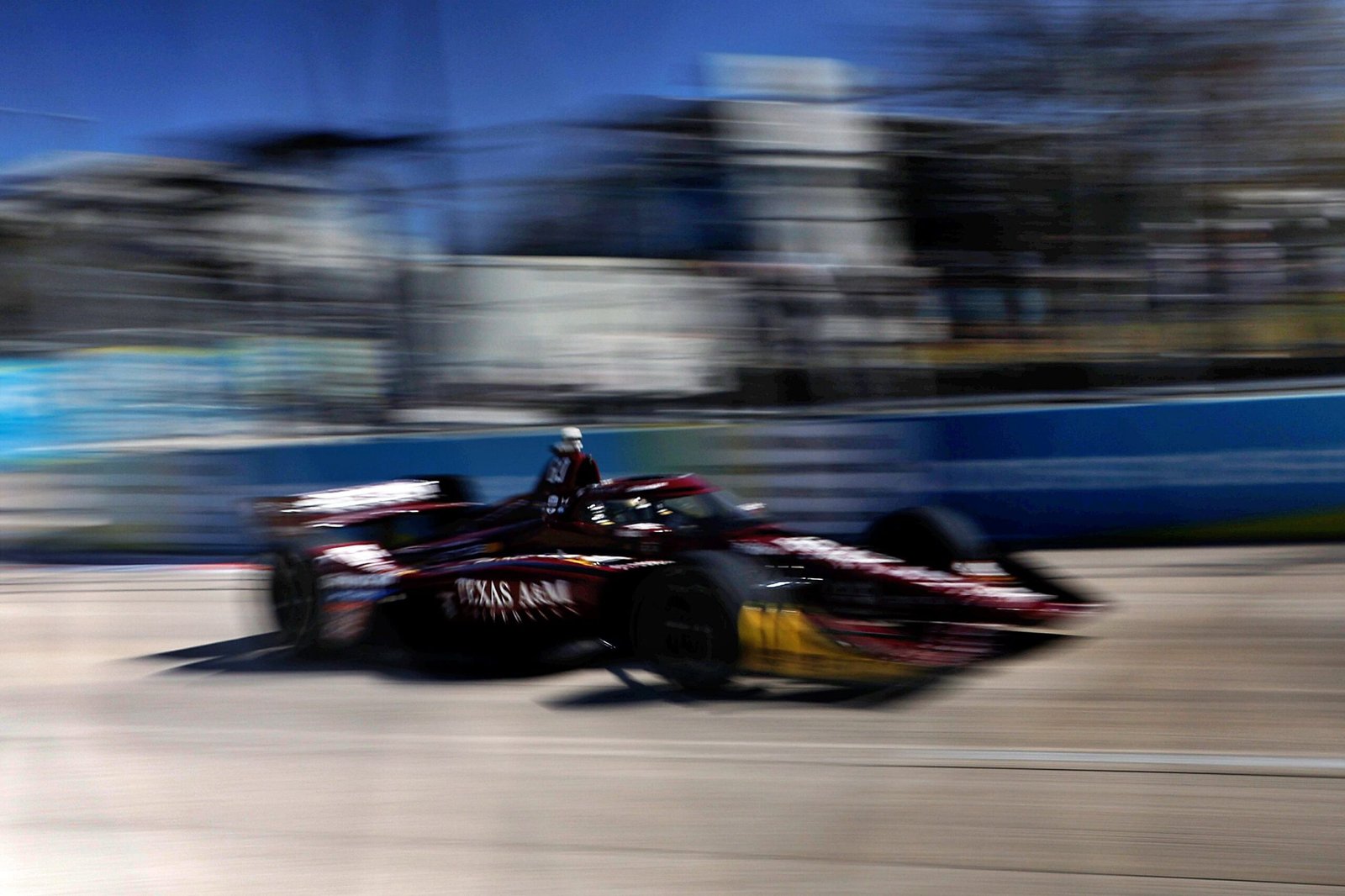
The inaugural IndyCar race on the Streets of Arlington left a strong impression across the paddock, with drivers widely praising both the layout of the new circuit and the scale of the event surrounding it.

Held in the sports district between AT&T Stadium and Globe Life Field, the Java House Grand Prix of Arlington marked the first time the NTT IndyCar Series raced in the area. From the drivers’ perspective, the weekend quickly established itself as one of the most impressive new additions to the calendar.
Multiple drivers described the venue as a potential flagship event for the series, citing the packed grandstands, large-scale presentation and the technical challenge of the new street circuit.
A street circuit drivers quickly embraced
Even before the race weekend reached its climax, the layout itself had already gained praise from the grid.
Team Penske driver Scott McLaughlin described the Arlington course as one of the best street circuits he has experienced.
“It’s hands down the best street circuit personally that I’ve driven on,” McLaughlin said already after the opening practice sessions. “There’s a huge straight, really tough braking zones and a lot of technical corners. It’s an absolute blast to drive.”
Four-time IndyCar champion Alex Palou echoed that sentiment, highlighting the complexity and variety of the layout.
“Love it. It’s insane,” Palou said. “There are corners you can attack so much and feel like a superhero, and others where you have to back off because the grip changes a lot.”
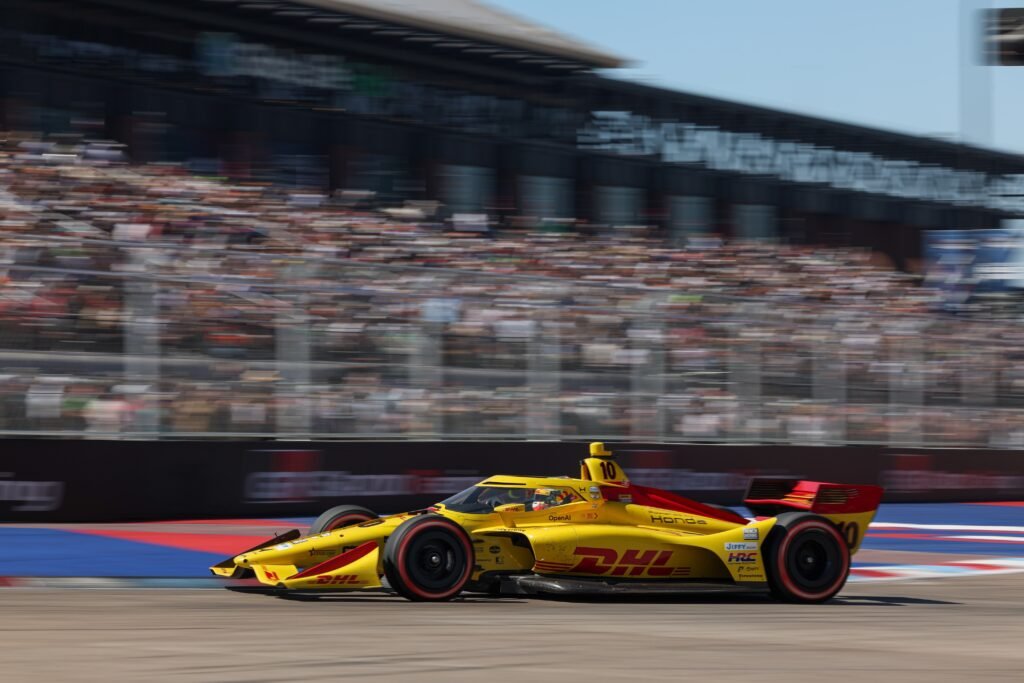
Drivers also pointed to the character of the circuit, with multiple surfaces, heavy braking zones and a bumpy back straight creating a demanding driving environment. The combination of technical corners and overtaking opportunities was seen as a major positive heading into the race.
Palou noted that the wide track and multiple braking zones could allow for strong racing. “There are so many different passing zones,” he said. “That’s going to make the race really good.”
A new standard for IndyCar events
Beyond the layout itself, the scale of the Arlington event stood out throughout the weekend.
The race took place in the heart of one of the largest sports complexes in the United States, surrounded by the homes of the Dallas Cowboys and Texas Rangers. With the event organized in partnership with the Cowboys and REV Entertainment, the venue delivered a large crowd and a polished presentation that impressed drivers.
Veteran Will Power said the atmosphere alone set a new benchmark for the series. “It’s a new standard,” Power said. “Every grandstand was full when you were driving around. The track looked amazing. It just looked like a big event.”
Palou agreed, noting that the weekend exceeded even his high expectations before arriving in Texas. “My expectations for this event were super high,” he said. “But this exceeded them by ten times. Since Friday you could see how the track was built, the facilities, the atmosphere.”
The Spaniard added that the fan presence and energy were particularly memorable. “The attendance was incredible. The fans stayed until the end and the energy was amazing. I cannot wait to come back here next year.”
A demanding race for the drivers
While the event impressed from an organizational perspective, the new street course also delivered a significant physical challenge for the drivers.
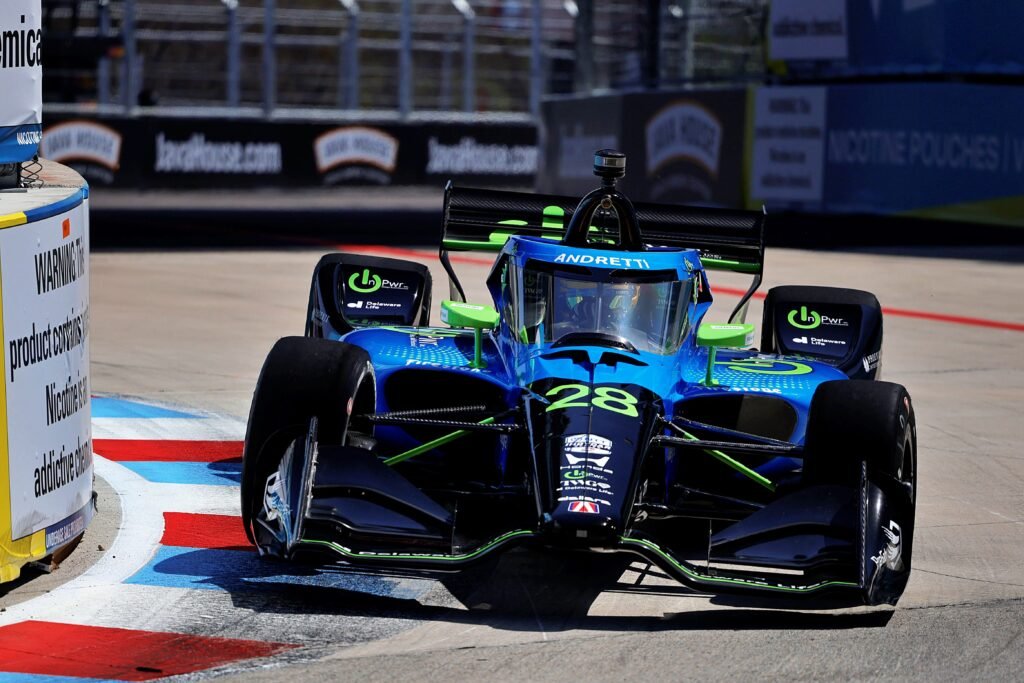
The race itself featured long green-flag runs and little opportunity to conserve fuel, forcing competitors to push at maximum pace for extended periods.
Race winner Kyle Kirkwood described the Arlington race as one of the most physically demanding events he has experienced in IndyCar. “This was one of the most physical races I’ve ever done,” Kirkwood said. Unlike many races where drivers must manage fuel and pace themselves, Arlington required full attack.
“We never saved fuel. We pushed as hard as we could on both tire compounds the whole race,” he explained.
The physical strain became clear immediately after the checkered flag. “When I finally took my hands off the steering wheel, my fingers just cramped instantly,” Kirkwood said.
Despite the intensity of the race, the challenging nature of the circuit was widely viewed as a positive. The combination of heavy braking zones, changing surfaces and tight technical sections created a layout that demanded versatility from both drivers and teams.
A potential future cornerstone of the calendar
For IndyCar, the Arlington race may represent more than just a successful debut. With strong attendance, enthusiastic fan engagement and positive feedback from drivers, the event has already been discussed as a possible cornerstone race for the series moving forward.
Palou believes the combination of the venue, track design and atmosphere gives Arlington long-term potential. “By far this is the best street race I’ve been part of,” he said. “It’s incredible to see so many people in the stands and the energy around the track.”
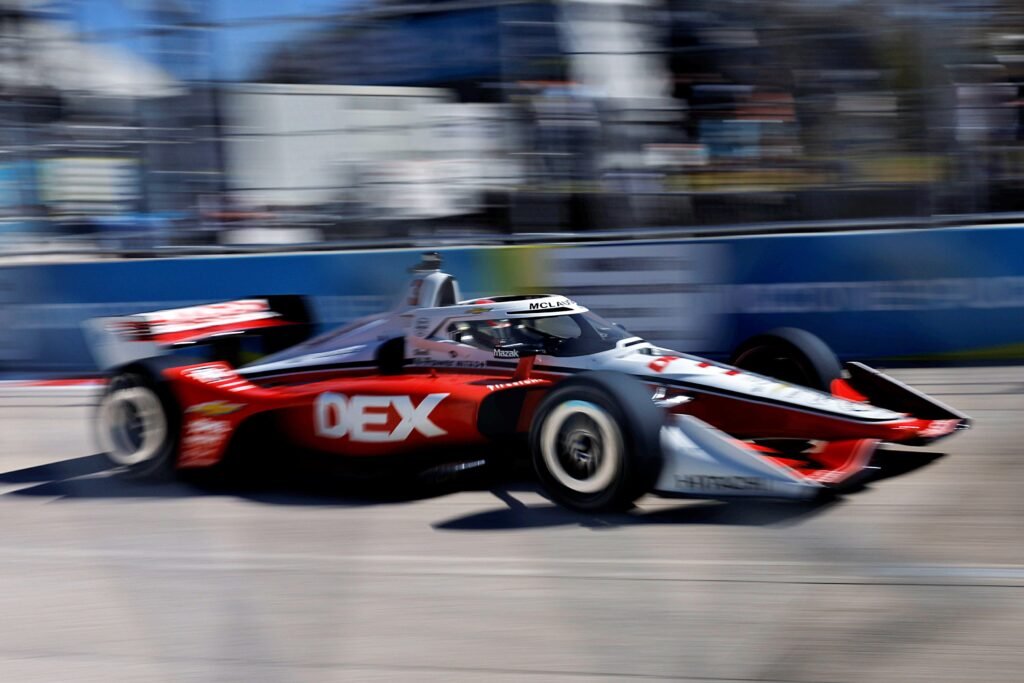
If the first edition is any indication, the Streets of Arlington could quickly become one of the standout events on the IndyCar calendar.
written by Philipp Kraus // Media Credit: Penske Entertainment