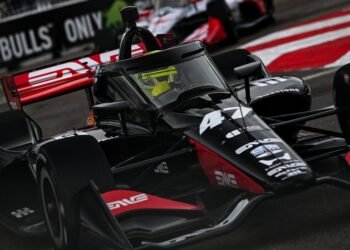


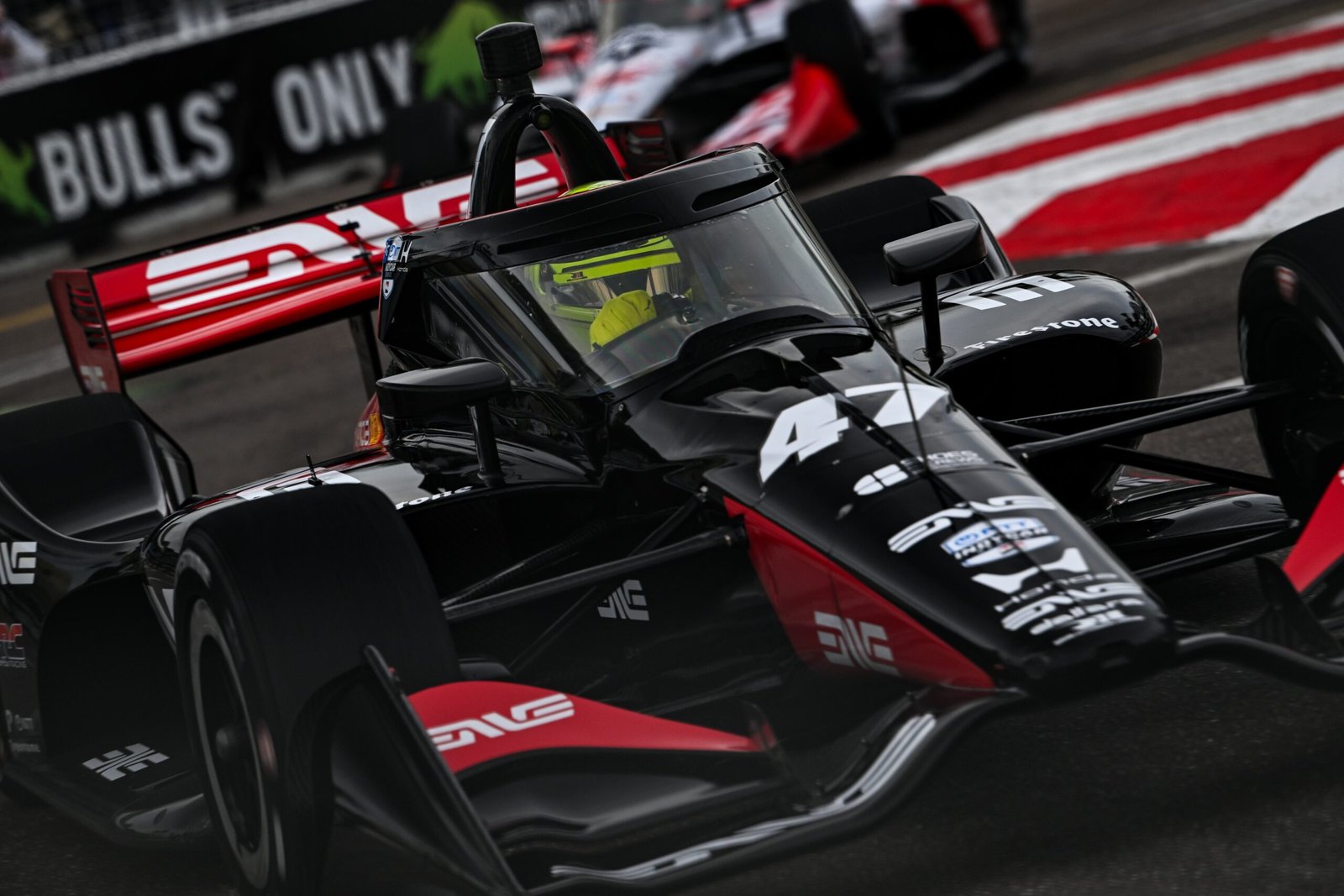
Mick Schumacher’s move to IndyCar was never expected to deliver instant results. Transitioning from Formula 1 and endurance racing into one of the most competitive and physically demanding championships in motorsport requires time, adaptation and patience. While his first races in the series have been marked by setbacks and frustration, there are already clear signs that the German is gradually finding his footing.

The early part of Schumacher’s IndyCar career has been challenging. At the Arlington street race, things unraveled quickly, with an early incident leading to a penalty that dropped him to the back of the field. Further contact later in the race and a spin compounded his difficulties, leaving him with a disappointing result on paper. Schumacher himself was honest in his assessment afterwards, describing it as a race that simply did not come together.
Learning curve: adapting to a new racing style
However, such chaotic weekends are not uncommon for rookies in IndyCar, especially those adapting to a completely different style of racing.
One of the biggest hurdles Schumacher faces is adjusting to the nature of IndyCar itself. Compared to Formula 1, the racing is far more physical, the cars less forgiving and the tracks often bumpy and unpredictable. The level of close-quarters racing is also significantly higher, with drivers frequently battling wheel-to-wheel in tight conditions.
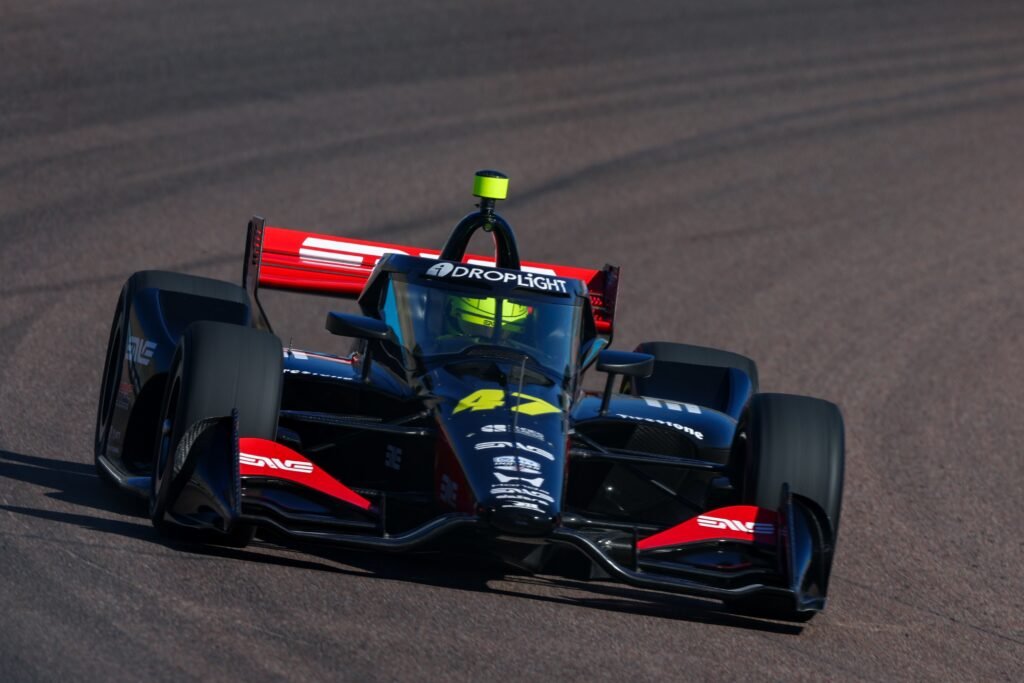
That was evident in Arlington, where Schumacher experienced firsthand how intense and unforgiving the racing can be. At one point during practice, he even joked over the radio that the car felt like it was “falling apart” due to the rough surface, an illustration of just how different these cars and circuits are compared to what he has been used to.
Pace hidden behind the results
Despite the difficult results, there have been encouraging signs beneath the surface. Schumacher has already shown flashes of pace, particularly considering his limited experience in the series. On ovals, arguably the most unfamiliar discipline for a European driver, he managed to qualify in a strong fourth position during his first attempts, underlining his ability to adapt quickly to completely new conditions.
In Arlington, too, his race pace improved as the event progressed. Even after setbacks, he was able to deliver competitive lap times toward the end of the race, including one of the fastest final sectors in the field. That kind of progression over a race distance is often a key indicator that a driver is beginning to understand both the car and the racing environment.
For Schumacher, the most important factor now is time. IndyCar offers a steep learning curve, with a wide variety of circuits, from street tracks to road courses to high-speed ovals, combined with limited practice time and extremely tight competition. Small mistakes are heavily punished, and even experienced drivers can struggle to consistently deliver results.
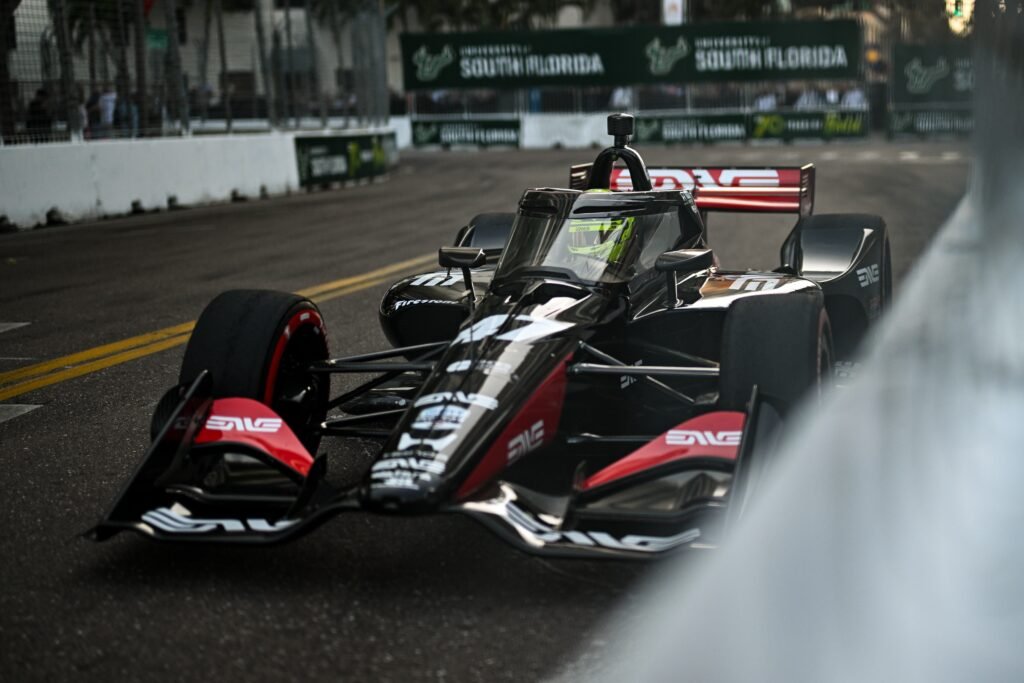
Schumacher has acknowledged that reviewing incidents and learning from them is part of the process, emphasizing the importance of analyzing what went wrong rather than being discouraged by it.
The importance of time and experience
Crucially, progress in IndyCar is not always immediately reflected in finishing positions. While the results so far may appear underwhelming, they do not fully capture the development taking place behind the scenes.
Schumacher is building confidence, improving his racecraft in close battles and gradually adapting to the physical demands of the series. These are essential steps for any driver aiming to become competitive in IndyCar.
Ultimately, Schumacher’s IndyCar campaign should be viewed as a long-term project rather than a short-term results-driven effort. The transition he is undergoing is significant, and early struggles are a natural part of that journey.
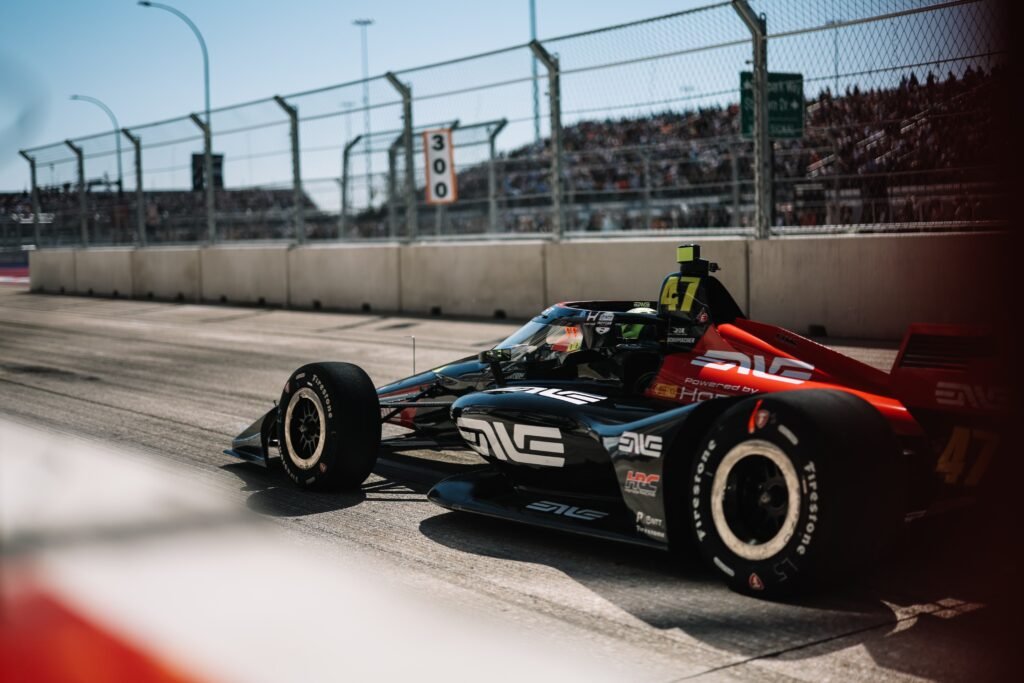
What matters more is the trajectory, and in that regard, there are clear indications that he is moving in the right direction. While the breakthrough results may still be ahead, Mick Schumacher is steadily laying the foundation for a successful future in IndyCar.
written by Philipp Kraus // Media Credit: Penske Entertainment